


Cart
0
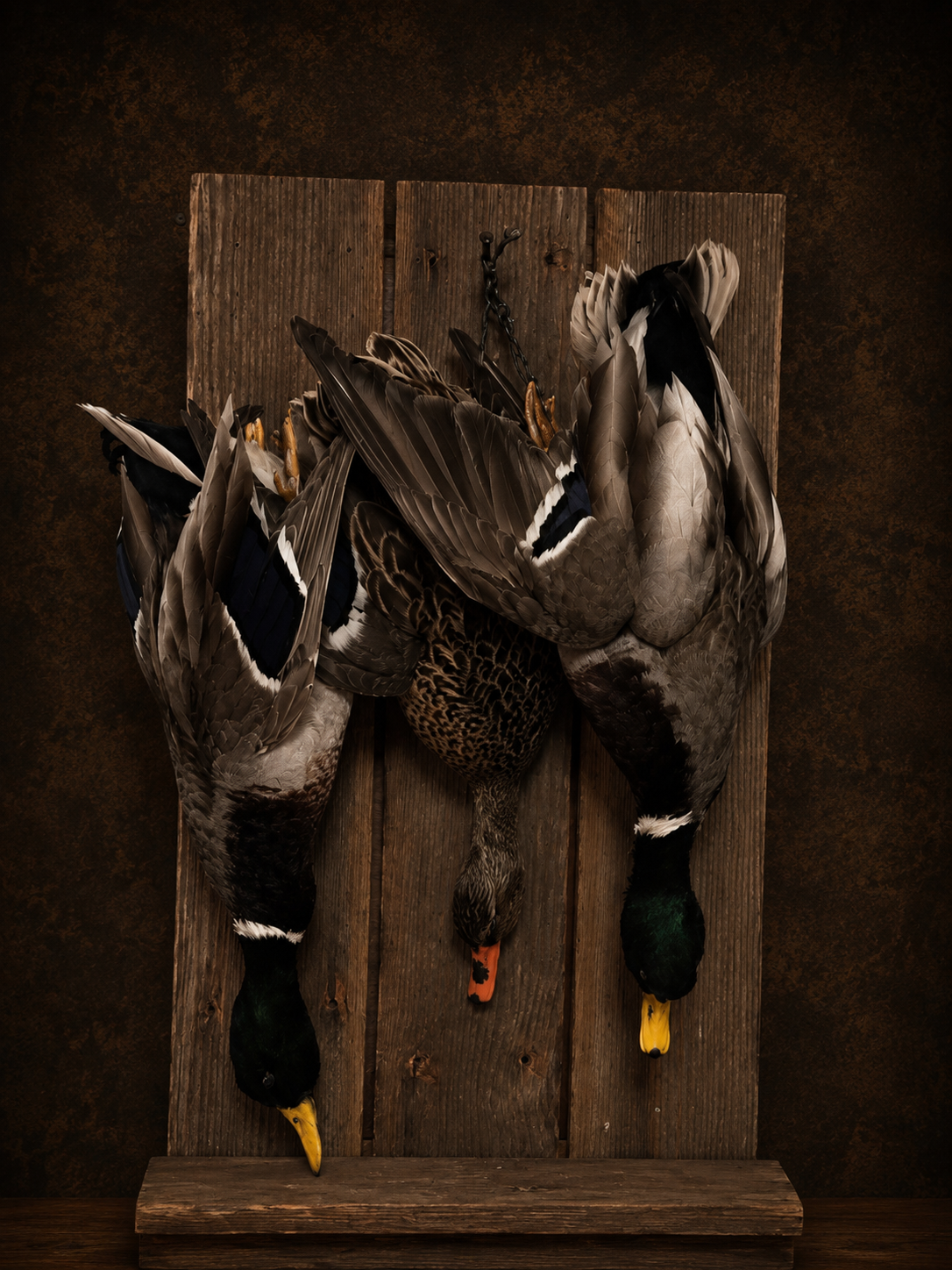
You finally got him.
Maybe it’s the buck you’ve watched on camera for two years. Maybe it’s your first longbeard. Maybe it’s a duck you drove halfway across the country to hunt.
If you already know that animal is going on the wall, there’s something important to remember:
The taxidermy work starts before your taxidermist ever sees it.
What happens in the first few hours after the hunt can make a big difference in the finished mount.
At Double Down Outfitters, we’ve been doing taxidermy for more than 30 years, and we’ll tell you the same thing we tell folks who walk through our door:
Take care of your trophy until you can get it to us.
We can do a lot in the shop... We just can’t work miracles.
First Things First: Get It Cool
Heat is not your friend.
Once the animal is down, you want to start thinking about getting it cooled as soon as you reasonably can. Warm temperatures can cause a hide to deteriorate quickly, especially here in Alabama when hunting season doesn’t always come with freezing weather.
Don’t leave your trophy laying in the back of the truck while you eat lunch, tell the story six times, and run three more errands.
Take the pictures. Enjoy the moment. Then take care of the animal.
If you can bring it straight to the taxidermist, even better. If you can’t, get it cooled and stored properly until you can.
Before You Start Cutting, Make Sure You Know What You’re Doing
This one can save everybody some trouble.
If you’re planning a shoulder mount, turkey mount, bird mount, or anything else that requires the original hide or skin, don’t start cutting unless you know what the taxidermist needs.
A cut in the wrong place can turn into a problem that didn’t need to happen. And when it comes to a deer cape, more is better.
Don’t trim it up nice and neat because you think you’re helping us. Leave plenty for the taxidermist to work with.
If you’re not sure where to make a cut, call first.
Seriously.
We would much rather answer a two-minute phone call from the woods than have you walk in later saying, “I think I may have messed this up.”
Taking Care of a Deer for a Shoulder Mount
If you’re planning to shoulder mount your deer, protecting the cape is a big deal.
Try to keep the hide clean and avoid dragging the deer in a way that damages the hair, particularly around the shoulders, brisket, and neck.
Be careful when field dressing too. Cutting too far up into the chest can damage the cape your taxidermist needs for the mount.
If somebody with experience is caping the deer, great. If not, there is absolutely nothing wrong with letting your taxidermist handle it.
A little extra cape is easy to remove. Cape that has already been cut off is a different story.
Turkey and Waterfowl Need a Little Extra Care
Birds can be especially unforgiving.
Feathers are a huge part of what makes a turkey, duck, pheasant, or goose mount look right, so treat them accordingly.
Try to keep the bird as clean as possible and avoid unnecessary handling of the feathers. Don’t breast it out if you’re planning to have the whole bird mounted.
Don’t start pulling feathers around trying to make it look better for pictures either. Let the bird be.
If there’s blood on the feathers, don’t panic and start scrubbing. Your best move is usually to handle the bird carefully, keep it cool, and talk to your taxidermist about how they want it stored.
That trophy gobbler deserves a little more care than the birds going into the freezer for supper.
What About Fish?
If you’re thinking about mounting a fish, decide before you start cleaning it.
Don’t gut it. Don’t fillet one side and then decide halfway through that it would have looked good on the wall.
Keep the fish cool, protect the fins from unnecessary damage, and get it frozen properly if you can’t get it to the taxidermist right away.
Fish can be surprisingly delicate, so this is another good time to make a quick call if you’re unsure.
Keep It Clean
Mud, dirt, leaves, truck-bed grime, dog hair, and whatever else your trophy picks up along the way aren’t doing you any favors.
You don’t have to make it spotless. You do want to avoid unnecessary contamination and damage.
Handle the trophy carefully and use clean bags, containers, or coolers when storing and transporting it.
And if you’re using ice to keep something cold, try to keep melting water from soaking the hide or feathers. A sealed bag with ice or cold packs around it is usually a much better situation than letting the trophy sit in a puddle of water.
Don't Guess With Salt or Chemicals
Your buddy may swear his grandfather always did it one particular way.
That doesn’t necessarily mean your taxidermist wants you doing the same thing.
Before salting hides, applying chemicals, or trying some preservation trick you found online, ask the person who will actually be doing the taxidermy.
Once something has been done to the hide, we can’t always undo it.
Sometimes the best thing you can do is simply keep it cool, keep it clean, and leave it alone.
If You Can't Bring It In Right Away
Sometimes you’re hunting hours from home. Sometimes it’s Sunday. Sometimes life just gets in the way.
If you can’t get your trophy to the taxidermist quickly, freezing may be your best option depending on what you have.
Package it carefully, protect the parts that matter, and make sure it gets thoroughly frozen. Then call your taxidermist and let them know what you’ve got.
Every animal is a little different, and sometimes one quick conversation can keep you from making a mistake.
The Biggest Mistake? Waiting Too Long
This is probably the easiest one to avoid.
If you know you want the animal mounted, treat it like you want the animal mounted.
- Don’t leave it sitting around while you decide for three days.
- Don’t wait until something smells funny.
- Don’t assume cold weather means you can forget about it.
Get it taken care of.
That trophy may represent years of hunting, hundreds of hours in the woods, and a story you’re going to tell for the rest of your life.
Give it the extra little bit of attention it deserves.
Hunting Around Tuscaloosa or West Alabama?
If you’re looking for an experienced taxidermist around Tuscaloosa, you don’t have to go far. Double Down Outfitters is right down the road in Gordo, Alabama, and we work with hunters throughout Tuscaloosa, Pickens County, and the surrounding West Alabama area.
We talked more about that in our guide to taxidermy near Tuscaloosa and why hunters make the trip to Gordo.
Our full-service taxidermy shop has more than 30 years of experience, with award-winning work in turkey and waterfowl taxidermy along with deer, European mounts, fish, predators, and more.
Check out our taxidermy services and current mount pricing before you head our way.
Not Sure What to Do With Your Trophy? Call Us.
If you’re standing beside an animal right now wondering what your next move should be, don’t guess.
Give us a call.
We would much rather help you take care of it correctly from the beginning than try to repair preventable damage later.
Double Down Outfitters & Taxidermy
145 Main St N
Gordo, AL 35466
Phone: 205-399-7771
Hours: Monday-Friday, 9:00 AM-5:00 PM | Saturday, 9:00 AM-12:00 PM
Have a question before you bring your trophy in? Contact our taxidermy shop in Gordo, and we’ll help you figure out what to do next.
Take care of the trophy now so we can take care of the memory later.


